A mold program rarely fails in the machine shop. It fails in the brief. The five questions below are the ones that, answered late, cost real money — not because the answers are hard, but because a mold that has already been machined cannot be re-decided for free.
The mistake we see most often is treating these five as questions for the supplier rather than decisions for the buyer. A buyer who asks “what should we do?” gets a reasonable answer. A buyer who arrives with the five settled gets a program that ships on the intended date.
What These Five Questions Lock Down
Each question closes off a specific failure mode. Answered before tooling, each one is a conversation. Answered after, each one is a change order.
| Question | What it locks down | Cost of answering it late |
|---|---|---|
| What tooling scope is being quoted? | What gets machined, and what a revision costs | Three quotes that cannot be compared |
| Which sizes ship first? | Cavity count and tooling investment | Paying for tooling twice |
| What material and density is the spec written for? | Shrinkage allowance and service life | A mold machined to a number the material will not hold |
| What is the shoe’s internal volume? | Thickness ceiling and in-shoe fit | A product that meets spec and still does not fit the shoe |
| Who owns the mold, and what happens if production moves? | Your position at the next negotiation | No leverage once the tool exists |
What Tooling Scope Is Actually Being Quoted?
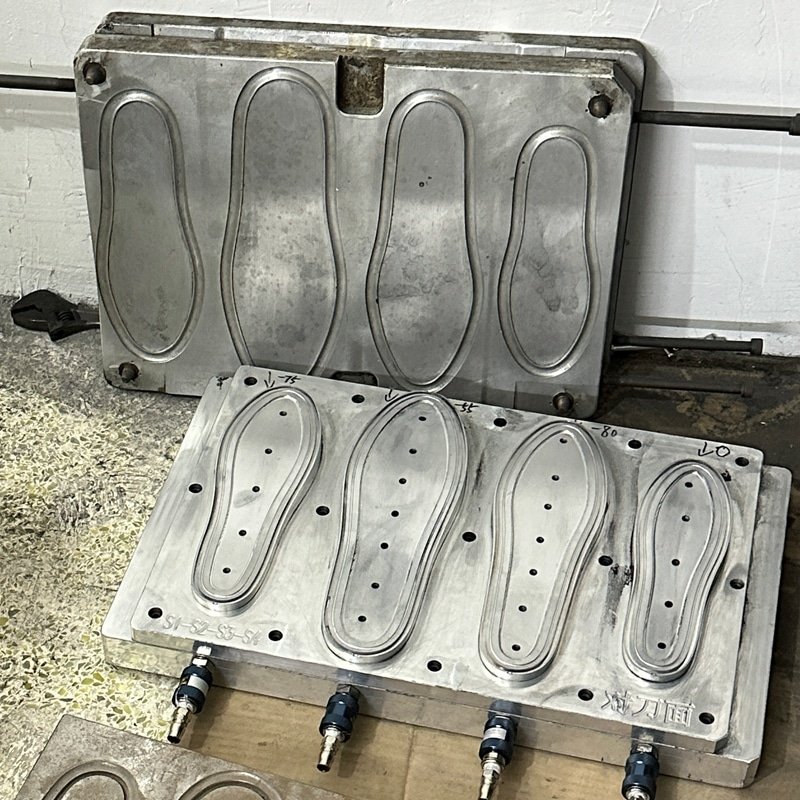
Insole tooling comes in three scopes and they are not interchangeable: a prototype mold for one reference size, production tooling carrying a full size run, or an existing mold with your private label. The scope determines what gets machined, how long the program takes, and — most importantly — what a revision costs six weeks in.
Ask for the scope in writing before comparing prices. The most common way a mold budget goes wrong is not an expensive quote; it is three quotes for three different scopes, compared as if they described the same thing. The development sequence itself is covered in detail in how insole mold development works.
Which Sizes Ship First?
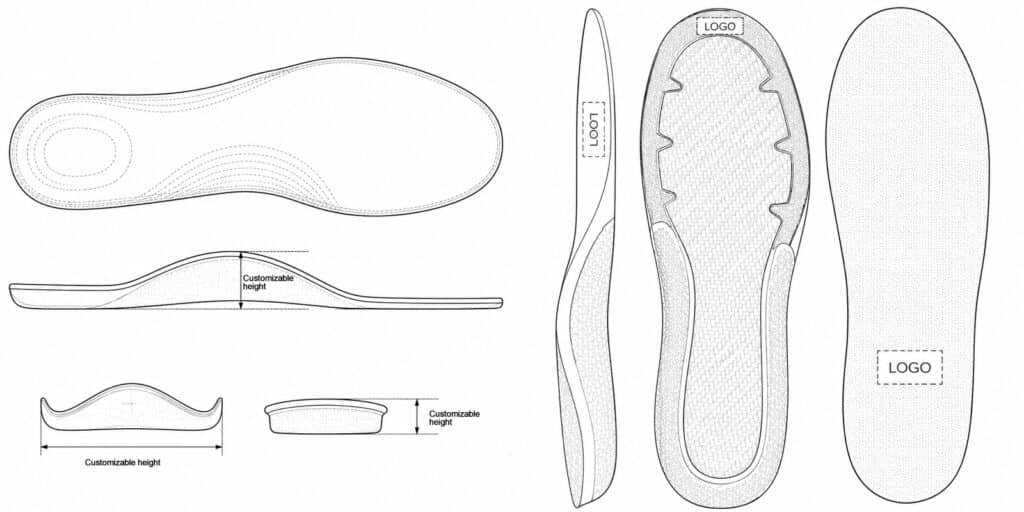
Molded constructions usually require tooling per size or per size break, so the launch range drives tooling investment as directly as the geometry does. This is a commercial decision that has to be made before machining, not after.
The practical approach is to launch with the sizes that carry your volume and extend later, rather than tooling the full range on day one. Decide who owns that decision — brand, distributor or factory — and put the launch range in the brief. A size run decided after the tool exists is a second tooling invoice.
What Material and Density Is the Spec Written For?
Shrinkage is material-specific. If the geometry is locked before the material is, the mold is machined to a dimension that the chosen material will not reproduce — and that error is discovered at first shots, after machining.
Density matters for the same reason service life does: it decides how many miles the foam holds its thickness. A specification written for 200-mile use and one written for 600-mile use should not be the same foam, and the difference should appear in the brief rather than in a field complaint. The inputs worth preparing are covered in our insole manufacturer RFQ checklist.
What Is the Shoe’s Internal Volume?
This is the question buyers ask least and regret most. A shoe built around a thin insole has limited vertical room. Add thickness and the foot sits higher than the shoe was designed for, which changes heel retention and stability — the insole meets its own spec and still fails in the shoe.
Measure it from the shoe, not from the old insole. Fit is not only length and width; in molded footwear it is height as well. Getting this number into the brief in week one is cheaper than discovering it in a retail return.
Who Owns the Mold, and What Happens If Production Moves?
Mold ownership is contractual, not an industry default. Terms differ between manufacturers, and the agreement — not the conversation — is what you rely on later.
Three points belong in writing: who owns the tool once it is paid for, what use rights the manufacturer retains, and what happens to the tool if you move production. Agreeing these before payment keeps the discussion commercial. Agreeing them afterwards is a negotiation you have already lost.
Manufacturer Insight
We ask these five in the intake conversation, because the programs that run on schedule are almost always the ones that arrived with three of them already settled. The programs that drift are rarely short of good design — they are short of decisions.
The most expensive single change we see is material after tooling. A brand switched foam density late in a program to hit a softer feel. The geometry had already been machined against the original shrinkage allowance, so the first shots came off dimensionally out of range across the size run. The fix was a tooling adjustment, not a material swap — the change that looked like a specification tweak became a machining job. Locking the material before the geometry is machined is the cheapest discipline in mold development.
We also separate two milestones that buyers often merge. First-article approval and production release are different gates. Collapsing them is how a program ends up with an approved sample and an inconsistent size run.
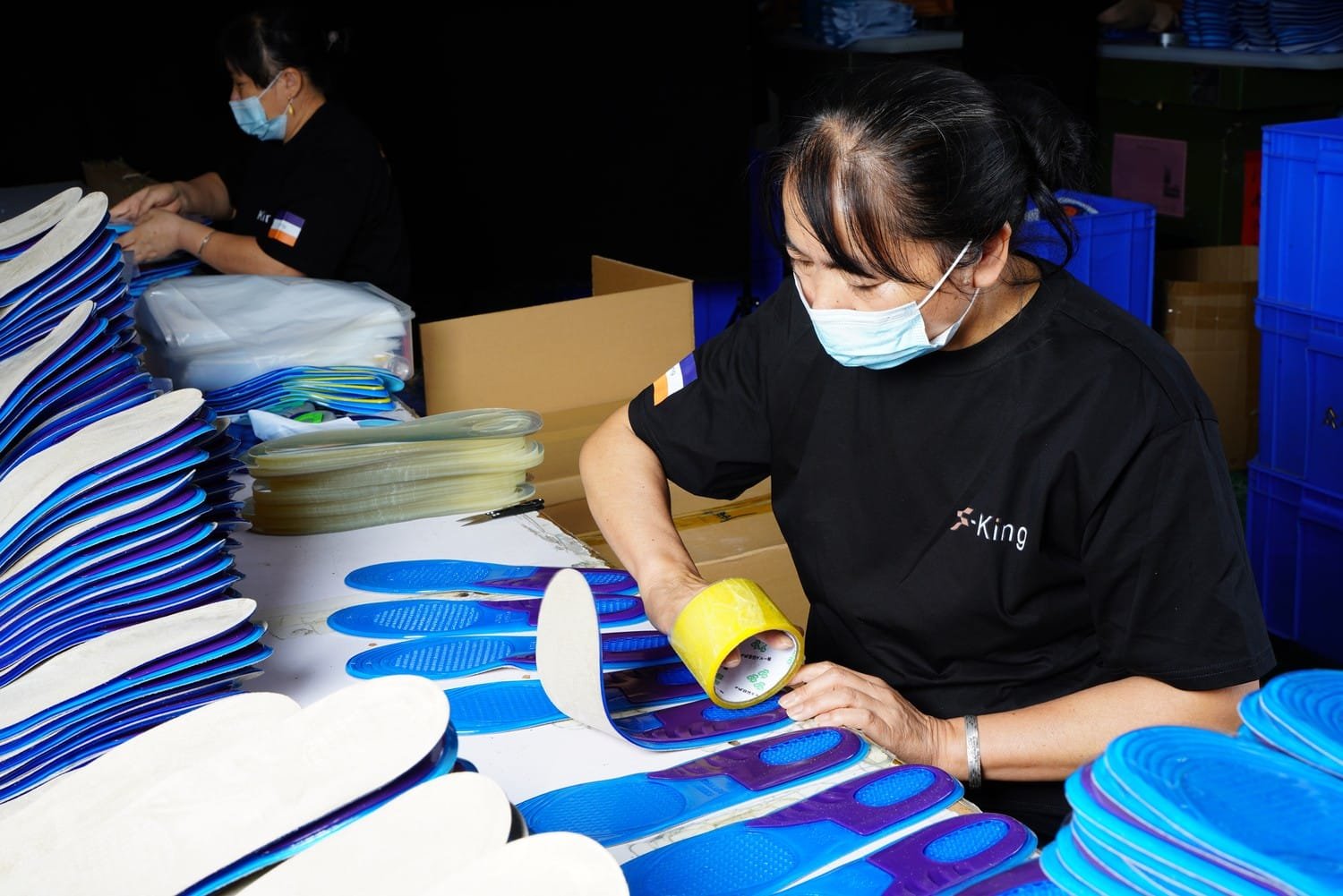
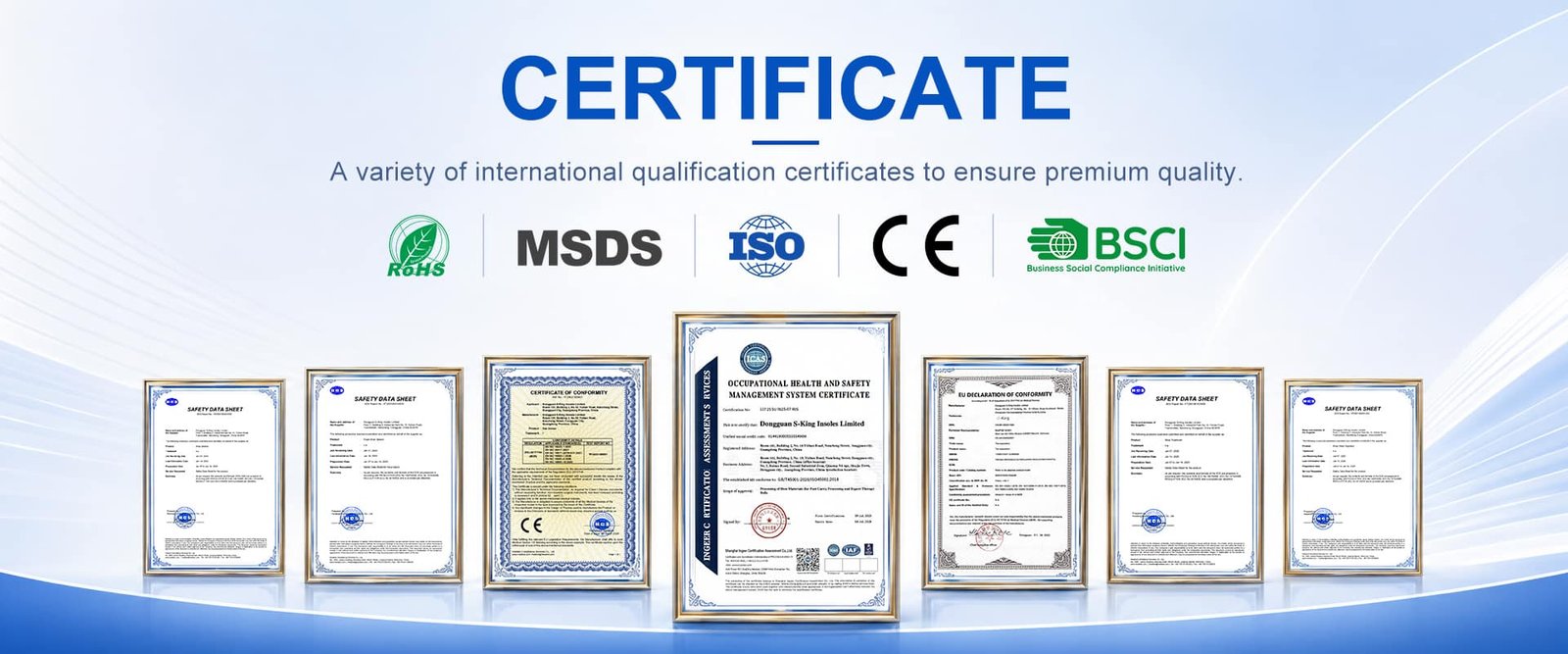
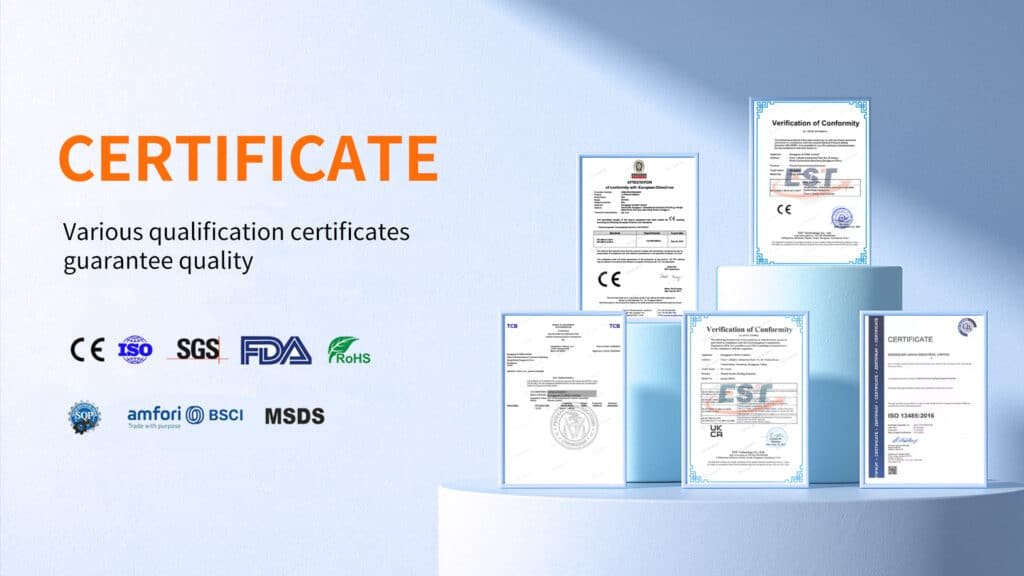
S-King has been manufacturing insoles since 2012, producing over 3 million pairs annually from an MOQ of 100 pairs. Material selection, mold development and private label construction are handled in-house, so the geometry, the material spec and the tooling are decided by the same team. The factory is CE-certified, BSCI-audited, with ISO 45001 and SDS documentation. If you are scoping a program, our OEM/ODM page covers how the tooling and material decisions are run.
Frequently Asked Questions
How long does insole mold development take?
It depends on the tooling scope, the size run and how many revision loops the samples need, so a single number quoted before the scope is fixed means very little. Ask for a milestone plan instead — machining, first shots, approval, release — so you can see where the time actually goes and where your own decisions sit in the schedule.
Do I need all five answers before requesting a quote?
No, but two of them should be settled first: the tooling scope and the launch size run. Those are what make quotes comparable. Material and internal volume can follow during development, provided they are locked before machining rather than after.
Can these questions be answered once sampling starts?
Some can, at a price. Geometry and size run are effectively fixed once tooling is machined. Material can still change, but if shrinkage differs, the change becomes a tooling adjustment. Ownership terms are easiest to agree before there is a tool to argue about.
What if we do not know the shoe’s internal volume?
Take it from the shoe rather than from the insole you want to replace. Measure the internal depth at the heel and forefoot, and note where the upper narrows. If measurement is impractical, send the shoe — a factory setting thickness limits without the shoe’s vertical room is working from an assumption.
The Short Version
Settle the tooling scope and the launch size run before you collect quotes, so the numbers describe the same thing. Lock the material and density before the geometry is machined, because shrinkage is material-specific. Get the shoe’s internal volume into the brief, and put mold ownership and use rights in writing before payment.
Five conversations in week one replace five change orders later. To see how these decisions run inside a program, read how insole mold development works, or talk to our team about your tooling scope.