
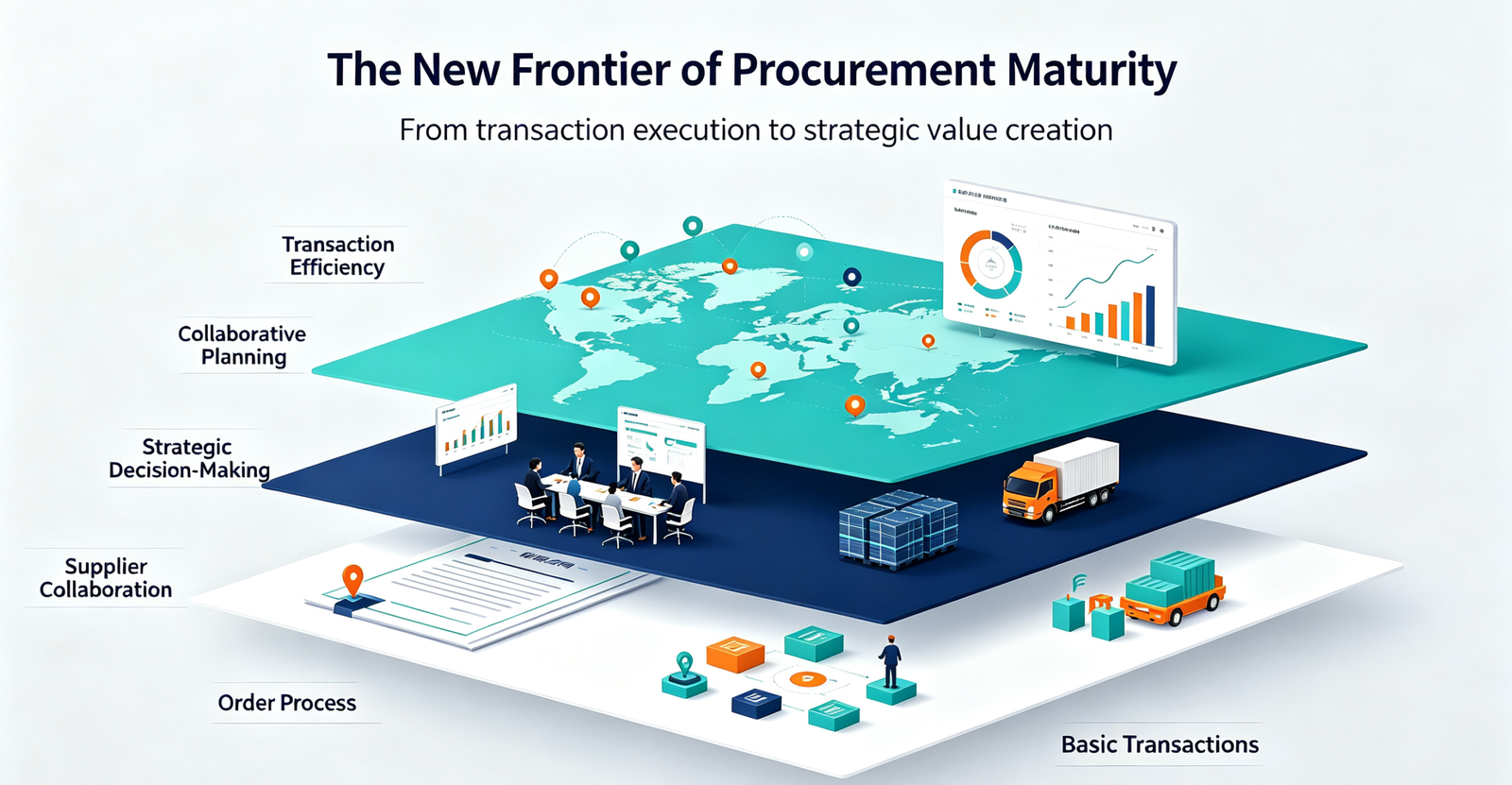
Introduction: The Next Frontier of Procurement Maturity
As sports brands navigate an increasingly volatile global marketplace, the benchmark for successful supply chain management has shifted. Procurement is no longer confined to negotiating price breaks and monitoring delivery schedules. For the modern purchasing manager, competitive advantage is achieved through deep structural integration with OEM suppliers—leveraging collaborative research, localized inventory buffers, and digital control towers to eliminate friction across the entire lifecycle of athletic footwear components.
Building upon our foundational framework of materials science, compliance, and cost structuring, this section explores the advanced operational strategies required to future-proof your sports insole supply chain.
1. Transitioning from Transactional Buyers to Strategic Co-Development Partners
The most successful sports brands do not merely issue purchase orders; they build deep, collaborative innovation ecosystems with their tier-1 component suppliers.
- Joint R&D Frameworks: Establish long-term strategic agreements that incentivize OEM suppliers to invest in proprietary material research, shared intellectual property (IP), and cutting-edge automation by guaranteeing multi-year volume commitments.
- Cross-Functional Innovation Labs: Create co-branded testing environments where your brand’s sports scientists and the supplier’s materials engineers can rapidly prototype and test breakthrough cushioning technologies under simulated athletic stress.
- Shared Risk and Reward Models: Align financial incentives so that when an OEM partner successfully develops a lighter, higher-yielding, or more sustainable compound, both parties share in the resulting margin expansion and market share growth.
2. Advanced Logistics: Vendor-Managed Inventory (VMI) and Global Hubs
Managing seasonal spikes and unpredictable retail demand requires a dynamic inventory strategy that cushions your supply chain against sudden market disruptions.
- Vendor-Managed Inventory (VMI) Integration: Partner with key OEM suppliers to establish VMI hubs positioned strategically near your primary regional distribution centers. This shifts immediate buffer storage responsibility to the supplier while guaranteeing instantaneous replenishment for your manufacturing lines.
- Consignment Stock Agreements: Negotiate terms where title and payment for insole components transfer only upon consumption at your final assembly facility, significantly freeing up working capital and improving cash flow metrics.
- Customs Harmonization and Tariff Optimization: Work with international trade specialists to optimize Harmonized System (HS) code classifications for multi-layer composite insoles, minimizing duty liabilities while ensuring flawless customs clearance across North American, European, and Asian entry ports.

3. Real-Time Supply Chain Visibility and Control Towers
In a modern global supply chain, data latency is the primary driver of operational inefficiency and stockouts.
- Supply Chain Control Towers: Implement centralized digital dashboards that aggregate data from tier-1 OEM factories, raw material providers, freight forwarders, and retail point-of-sale systems into a single source of truth.
- Automated Exception Management: Configure alert protocols within your procurement software to flag potential bottlenecks—such as unexpected delays in mold tooling, chemical testing hold-ups, or container vessel congestion—days before they impact production timelines.
- Supplier Key Performance Indicator (KPI) Scorecards: Conduct automated, quarterly evaluations of your OEM partners based on real-time data streams covering On-Time Delivery (OTD), First-Pass Yield (FPY), and Corrective Action Report (CAR) resolution speed.
Conclusion: Leading the Industry Through Resilient Vision
The journey from basic commodity sourcing to elite, technology-driven supply chain management defines the winning sports brands of the modern era. By forging deep co-development partnerships, establishing agile VMI networks, and harnessing real-time supply chain visibility, purchasing managers transform their operations from a backend cost center into an unstoppable engine of athletic performance and brand loyalty.
As we look ahead to 2036, those who master these advanced integration strategies will decisively lead the global athletic footwear market.


