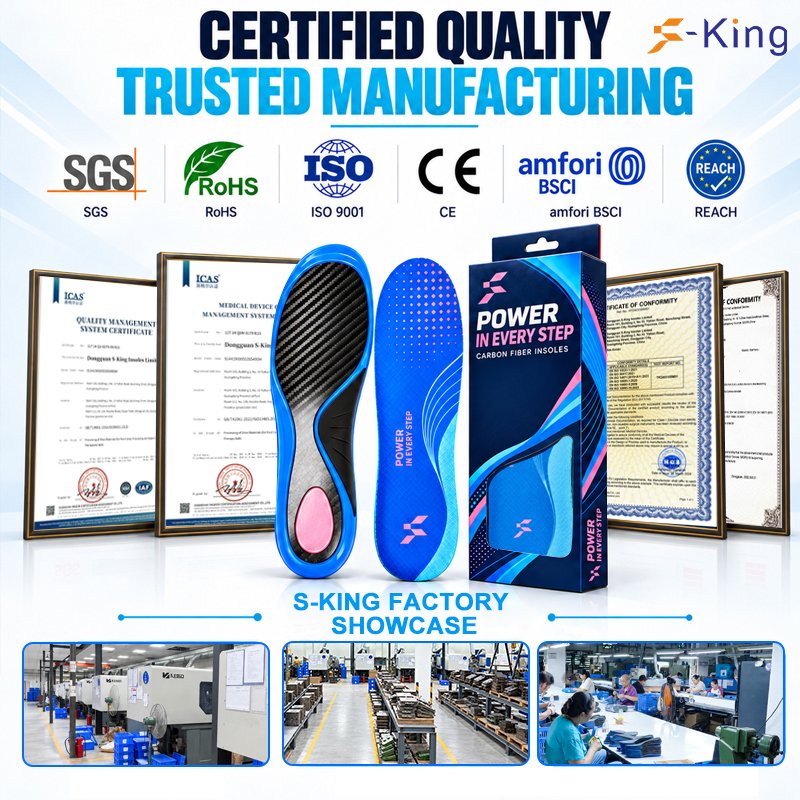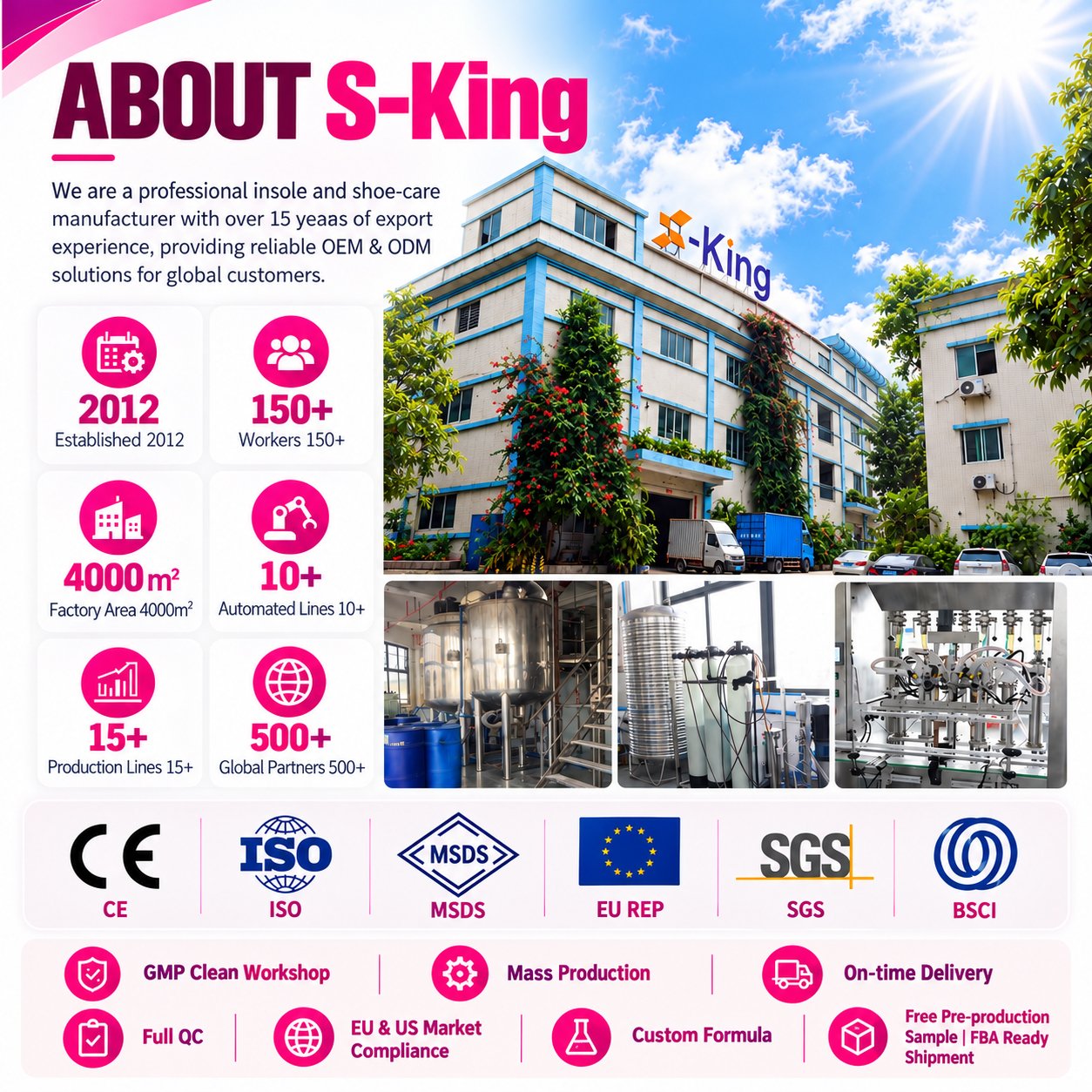
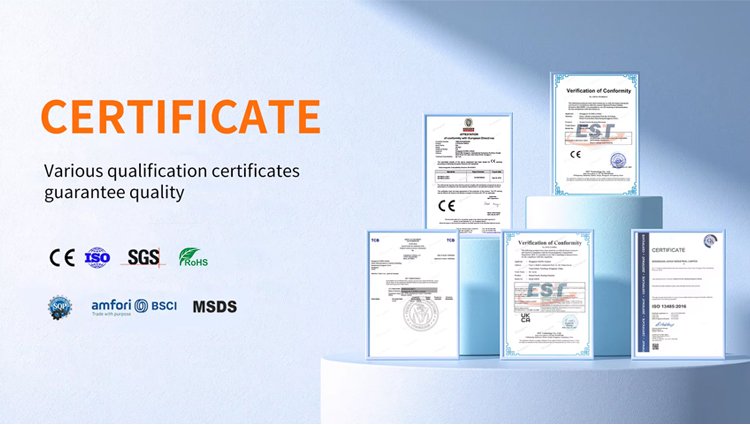
We are certified to ISO 9001. The scope on our certificate covers insole design, development and manufacturing, and the certificate number is published on our certificates page. Below is what that scope actually reaches, what the certificate proves, and what it takes off your supplier review.
The most common misreading is treating ISO 9001 as a product certificate. It is not. ISO 9001 certifies the quality management system — the processes, records and management reviews behind the product — and says nothing on its own about how a particular insole performs. Buyers who know the difference ask sharper questions, and get answers with dates on them.
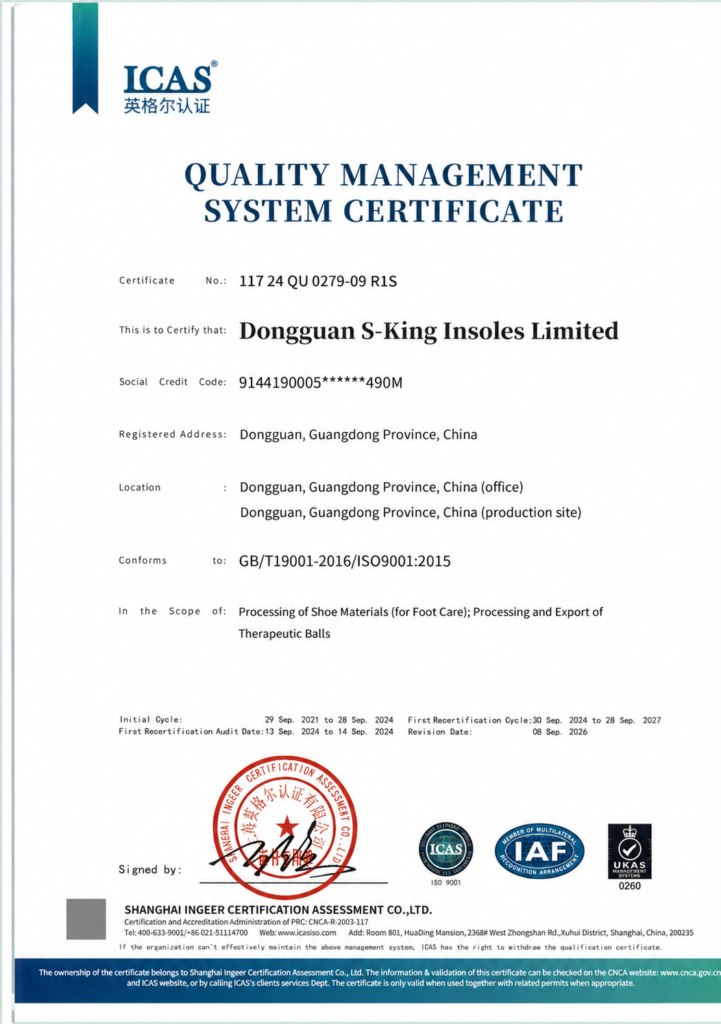
What Our Certificate Covers
Scope is the part of a certificate worth reading first, because it draws the boundary of what was audited. Ours covers three linked activities, and the first two are the ones most often left out:
| Stage | What the system requires | What we can show you |
|---|---|---|
| Design and development | Defined inputs and outputs, verification and validation before release, controlled design changes | Specification sheets, approved samples, change records |
| Manufacturing | Controlled process parameters, work instructions, equipment checks | Batch records, process cards |
| Measurement and monitoring | Calibration traceable to international or national standards | Calibration certificates with dates |
| Suppliers and materials | Evaluation and incoming inspection of externally provided materials | Incoming inspection records, supplier material declarations |
| Nonconformance and corrective action | Identify, contain, find the cause, act, then verify the action held | Nonconformance reports, corrective action records with verification results |
Covering design and development matters most for private label and OEM work. Many insole suppliers certify manufacturing only, which leaves the sampling, mold trials and specification work — the parts you actually depend on — outside the audited system.
The Seven Principles You Can Test
ISO 9001 rests on seven quality management principles: customer focus, leadership, engagement of people, process approach, improvement, evidence-based decision making and relationship management. Four of them convert directly into questions you can put in an RFQ:
- Evidence-based decision making — ask for records rather than adjectives: hardness and density checks, compression set results, batch records.
- Process approach — ask which processes are validated (lamination, molding, bonding) and which are only inspected afterward. A validated process holds its parameters; an inspected one only catches what the inspector happened to see.
- Improvement — ask for one change made in the last twelve months and the record behind it. A system with no changes either has nothing to fix or is not being used.
- Relationship management — ask how material declarations are collected from sub-suppliers and passed through to you.
What Certification Removes From Your Review
- The system audit. An accredited certification body examines the quality management system against the standard on a recurring cycle, so that part of your qualification is not starting from zero.
- Document chasing. Controlled documents with version history, and records retained for defined periods, are what let a compliance file clear its first pass instead of bouncing back.
- Traceability questions. Batch and lot records link a finished pair back to the material lots it was built from.
- Ambiguity after a defect. There is a defined path: contain, investigate the cause, correct it, then verify the correction held.
One Thing to Check: the Edition
ISO 9001 is revised periodically. ISO published the 2026 edition in September, replacing the 2015 edition along with its 2024 climate amendment, with a three-year transition running to the end of September 2029. Two practical consequences for buyers: certificates issued during a transition refer to one edition or the other, and internal documents such as your supplier questionnaire may still cite clauses from the older one.
If your program specifies an edition, say so in the first RFQ. The scope and certificate number are on our certificates page, and current copies with edition and validity dates go out with the quotation.
Manufacturer Insight
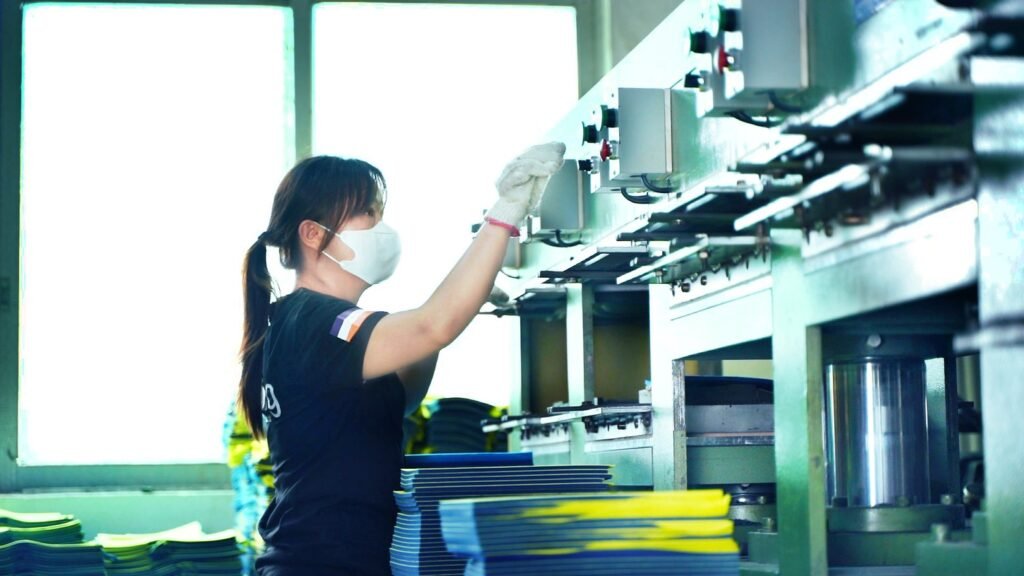
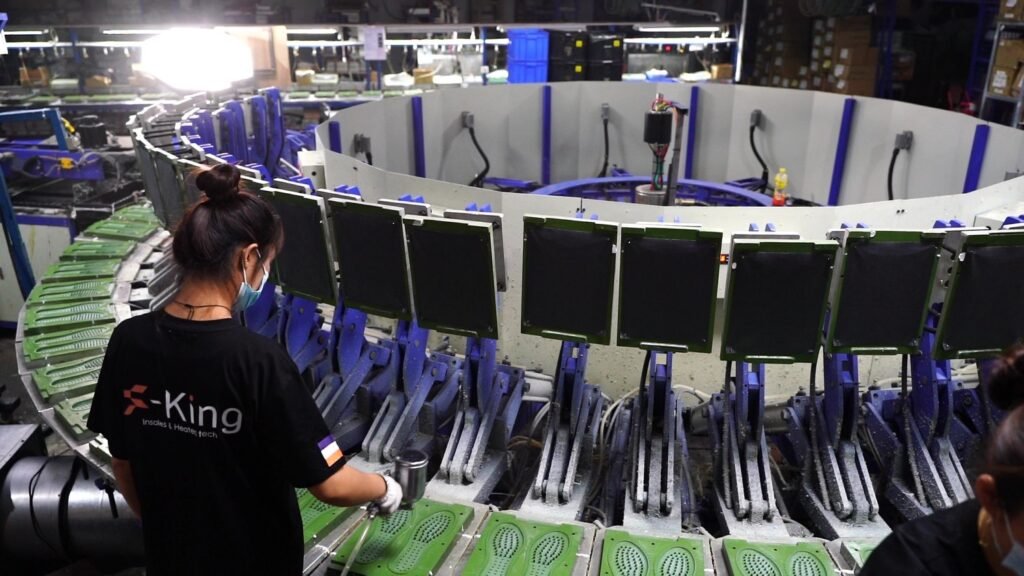
From the factory side, the part of ISO 9001 that changes daily work is not the policy document. It is the routine: gauges calibrated on schedule, process cards signed at each station, incoming material inspected before it reaches the line, and a mold trial recorded whether it passed or failed. We keep material declarations and safety data sheets for the foams, adhesives and topcovers we use, stored beside the line rather than in an office folder, because the person who needs the information is the operator.
Two honest notes. Certification does not mean zero defects — it means deviations show up in records and move through a defined correction path instead of being absorbed quietly. And the useful part of an audit is what it finds: a system that produces no findings for years is usually a system nobody is really using. The audits we learned most from were the ones where the auditor pulled a batch record from eight months earlier and asked us to reconstruct it from what was written down at the time.
Frequently Asked Questions
Is S-King ISO 9001 certified?
Yes. Our certificate is issued by an accredited certification body, and the scope covers insole design, development and manufacturing. The certificate number is published on our certificates page, and current copies are sent during the quotation process.
Does ISO 9001 certify the insoles themselves?
No. ISO 9001 certifies the management system, not individual products. Product-level questions — dimensions, hardness, compression set, restricted substances — are handled through specifications, material declarations and laboratory test reports.
ISO 9001 or ISO 13485: which one applies to our order?
Both are held, and they answer different questions. ISO 9001 covers the general quality system behind design, development and manufacturing. ISO 13485 is specific to medical device manufacturing, and our system covers orthotic and medical insole production. Comfort, sports and work programs run under ISO 9001; orthotic and medical programs run under both. The document set buyers usually request alongside these is covered in which certifications to ask an insole supplier for.
How often is the certificate audited?
Accredited certificates normally run on a three-year cycle, with surveillance audits in the intervening years and a recertification audit before expiry. Ask for the certificate copy and the dates are on it.
Can we put your certificate in our supplier file?
Yes. Tell us which market you ship to and which documents your file requires, and we return current copies with the quotation. The certificates themselves stay issued to Dongguan S-King Insoles Limited as the manufacturer.
The Short Version
- ISO 9001 certifies the system, not the product — our scope covers insole design, development and manufacturing.
- It removes four things from your review: the system audit, document chasing, traceability questions, and ambiguity after a defect.
- Check the edition on the certificate — the 2026 edition is now published, with transition running to late 2029.
Full scopes and certificate numbers are listed on our certificates and compliance page, and the production side is documented on our production line page. For the questions to put in a first RFQ, see what belongs in an insole manufacturer RFQ. Send your market, materials and volume through the OEM/ODM page or contact us, and the document set comes back with the quote.